In Part 3 of the Canine Mental Health series, we talked about the importance of enrichment. In Part 4, I want to dive deeper into that topic and focus on working breeds—how genetics shape their need for enrichment and how a lack of purpose can affect their mental health.
Dogs have been domesticated for centuries and were likely the first animal humans ever domesticated. Over time, they were selectively bred for different purposes, creating breeds with specialized instincts and skills. Some of our most loyal companions today are genetically wired to perform difficult and important jobs.
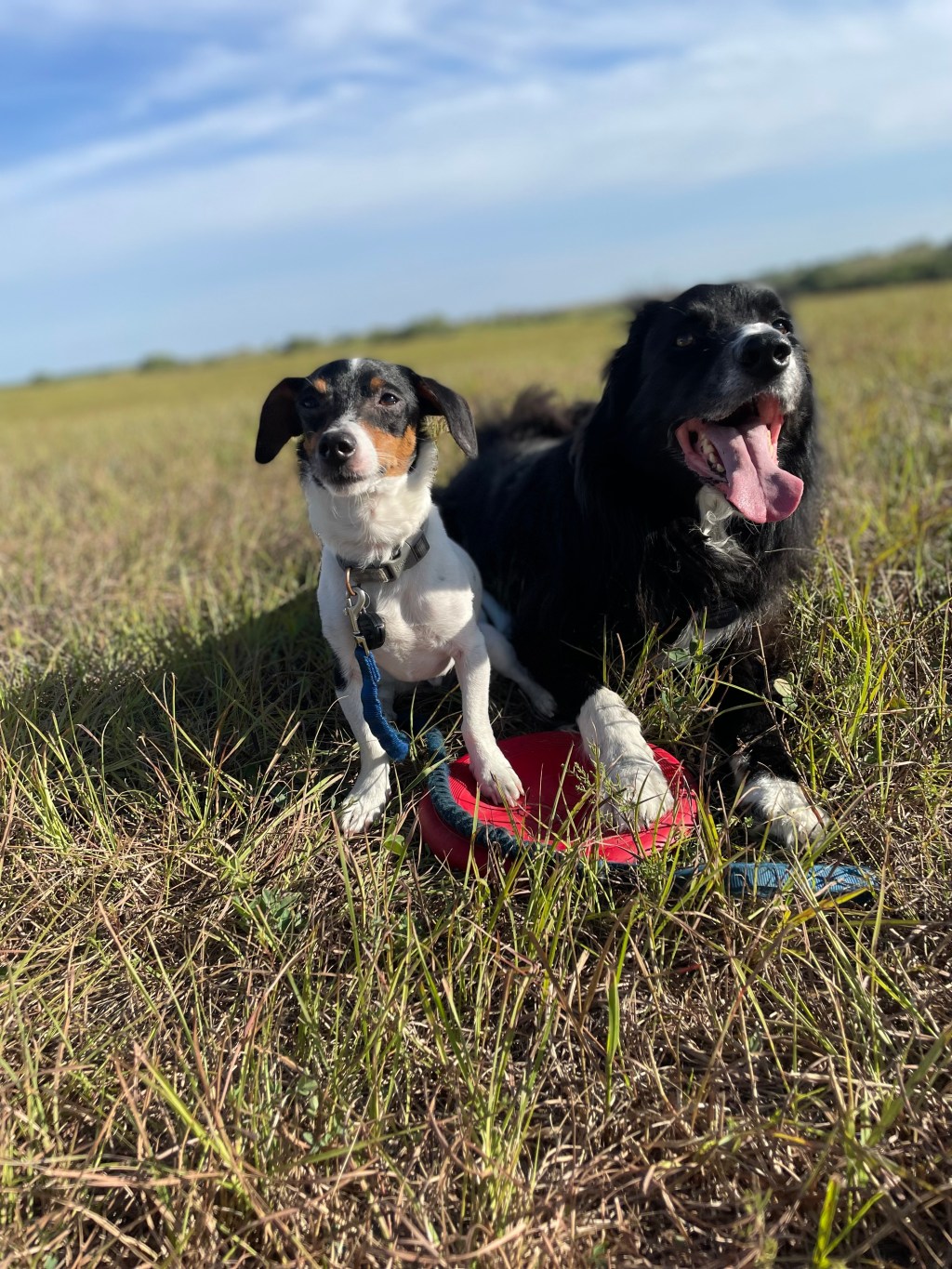
Take my Border Collie, Cooper, for example.
Border Collies were bred to herd, chase, and work closely with their handlers. Generation after generation, dogs with the strongest herding instincts, intelligence, and responsiveness were selected to produce the next litter. This process repeated over and over until humans created one of the most driven and intelligent working dogs in the world.
Those instincts don’t just disappear.
They are hardwired into their DNA.
If you run, ride a bike, skateboard, or even drive a large vehicle past us on a walk, Cooper will likely try to chase you. Not because he’s a bad dog—but because chasing movement is what his ancestors were bred to do.
That’s why he thrives on frisbee. He will chase that disc until he physically can’t run anymore.
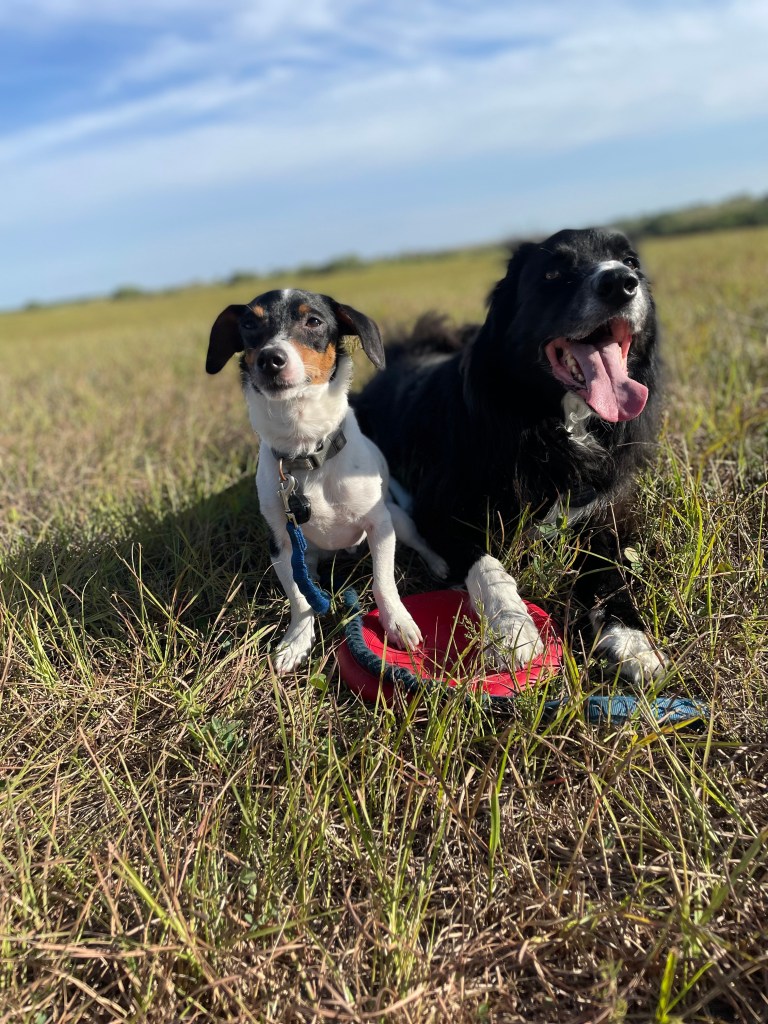
He needs a job.
And Cooper isn’t the only one.
Breeds like Belgian Malinois, German Shepherds, Huskies, Labrador Retrievers, and even Chihuahuas were bred to assist humans in some way.
You may get frustrated that your ten-pound Chihuahua barks at every sound, but one of their original purposes was alerting and protecting their home and family. They may not appear on the American Kennel Club’s list of 35 official working breeds, but they were still bred with a purpose.
Think about your own dog:
Does your Lab constantly want to play fetch?
Does your Husky seem like they could run forever?
Does your Great Pyrenees insist on being outside watching over the yard?
That’s not random.
Labs were bred to retrieve downed game for hunters.
Huskies were bred to run long distances transporting supplies.
Great Pyrenees were bred to guard livestock day and night.
These instincts still exist.
What Makes a Dog a Working Breed?
Working breeds are typically dogs with strong drives to perform tasks. They often enjoy the mental focus and physical release that comes from completing a job.
Without that outlet, they can become bored, anxious, frustrated, or even destructive.
These breeds are often highly intelligent, energetic, and eager to learn. They usually respond well to training and thrive when given structure, consistency, and purpose.
They typically need more enrichment than your average lap dog or couch potato.
And when they don’t get it, that energy often comes out in ways owners don’t like:
- Excessive barking
- Chewing
- Digging
- Chasing
- Jumping
- Destructive behaviors
Over time, those behaviors can become habits.
Worse, chronic frustration can contribute to anxiety, aggression, or even mental deterioration.
How Can You Help Your Working Dog?
The answer is what we discussed in Part 3:
Enrichment.
Dogs like this need more than a quick walk around the block or a game of fetch. They need opportunities to think, solve problems, and engage their natural instincts.
Some ideas include:
- Puzzle feeders
- Interactive toys
- Tearing apart boxes
- Scent work
- Frozen meals or treats on hot days
- Licking activities like peanut butter spread around the rim of their bowl
- Watching the world in a public space
- Exploring new environments
- Learning new commands or tricks
Find what works for you and your dog.
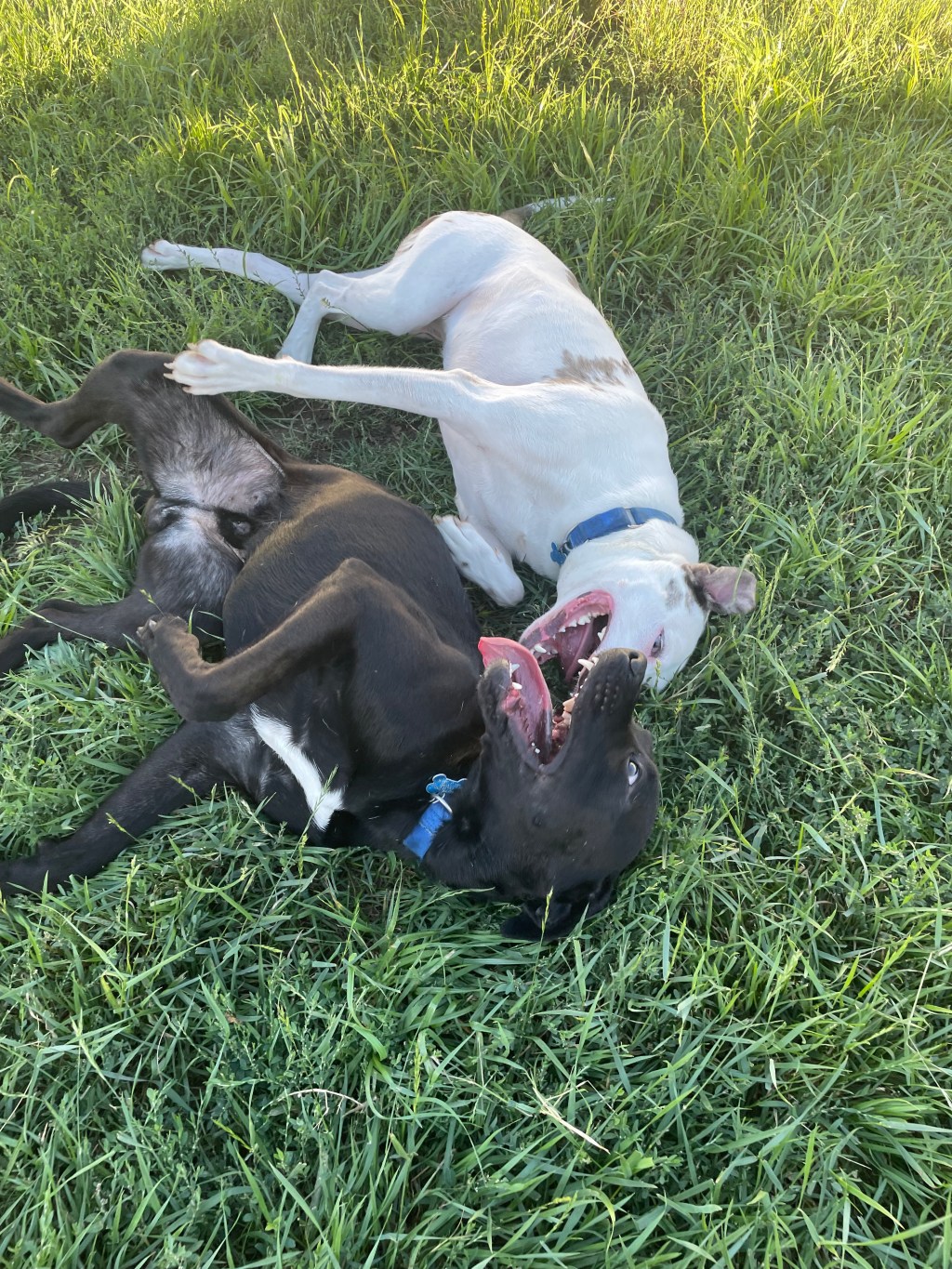
For social dogs, dog parks can also be a fantastic outlet. Social interaction requires a huge amount of mental energy, and running or playing with peers can be incredibly fulfilling.
But not every dog likes dog friends.
During my time working at the shelter, I saw dogs who made friends instantly, dogs who were selective, and dogs who wanted absolutely nothing to do with other dogs.
And that’s okay.
Next week, we’ll dive into dogs that prefer human company over canine companionship, and why it’s important to respect what your dog is trying to communicate.


Leave a response here!