
Over the past two weeks, we’ve discussed anxiety and overstimulation in dogs and how they can affect behavior. This week, I want to shift our focus to enrichment: what it is, how it can improve a dog’s quality of life, and how you can use it to help your own pup thrive.
What Is Enrichment?
For captive animals, enrichment refers to activities, experiences, and items that encourage natural behaviors and mimic aspects of the environments they would encounter in the wild. Enrichment challenges animals to think, explore, and engage with the world around them.
Not only does enrichment help prevent boredom, but it also supports both physical and mental well-being. It keeps life interesting and gives animals opportunities to make choices and exercise control over their environment.
Choice and control are major parts of life that many of us take for granted. Every day, you make decisions about where you go, what you eat, who you spend time with, and how you spend your free time.
Now imagine all of those choices being taken away. Your home, your food, your daily activities, and your social interactions are all decided for you. You spend every day surrounded by the same four walls and following the same monotonous routine.
For humans, environments like this can have serious consequences. Studies have shown that long-term confinement can lead to frustration, irritability, anxiety, depression, and declines in both physical and mental health. Animal shelters can create similar challenges for the animals living there.
The Five Categories of Enrichment
Enrichment is typically divided into five main categories:
Social Enrichment
Animals that enjoy the company of others benefit greatly from social interactions. For dogs, this may include playgroups, walks with other dogs, or quality time with their human family members.
Nutritional Enrichment
This involves making mealtime more engaging by encouraging dogs to work for their food. Puzzle feeders, snuffle mats, scatter feeding, and food-stuffed toys are all examples of nutritional enrichment.
Occupational Enrichment
Many breeds were developed to perform specific jobs and still possess strong instincts to work. Training sessions, scent work, problem-solving games, and learning new skills can help fulfill these needs.
Sensory Enrichment
Sensory enrichment introduces dogs to new sights, sounds, smells, textures, and experiences. Even something as simple as exploring a new walking route can provide valuable mental stimulation.
Physical Enrichment
Physical enrichment focuses on changing or enhancing a dog’s environment through things like climbing platforms, tunnels, digging areas, elevated beds, or obstacle courses.
What I Learned in Animal Shelters
During my time working in animal shelters, I watched dogs lose their minds in kennels.
Dogs with no history of aggression, anxiety, or behavioral issues would pace endlessly, bounce off kennel walls, and lunge or bark at strangers passing by. Dogs that had previously been fully house-trained would suddenly begin eliminating in their kennels, only to return to normal once they entered a home environment.
The stress of confinement can dramatically change behavior.
About a year into my shelter career, we had Dogs Playing for Life, an organization that specializes in dog behavior and playgroups, come to teach us how to properly run dog playgroups.
The results were incredible.
Dogs are typically social animals and often thrive on appropriate interaction with other dogs. We watched shy, withdrawn dogs transform into playful, outgoing companions once they felt comfortable around a group of their peers.
Dogs that had been shutting down emotionally suddenly found a new spark. Just ten minutes of running, playing, sniffing, and socializing could completely change their demeanor for the rest of the day.
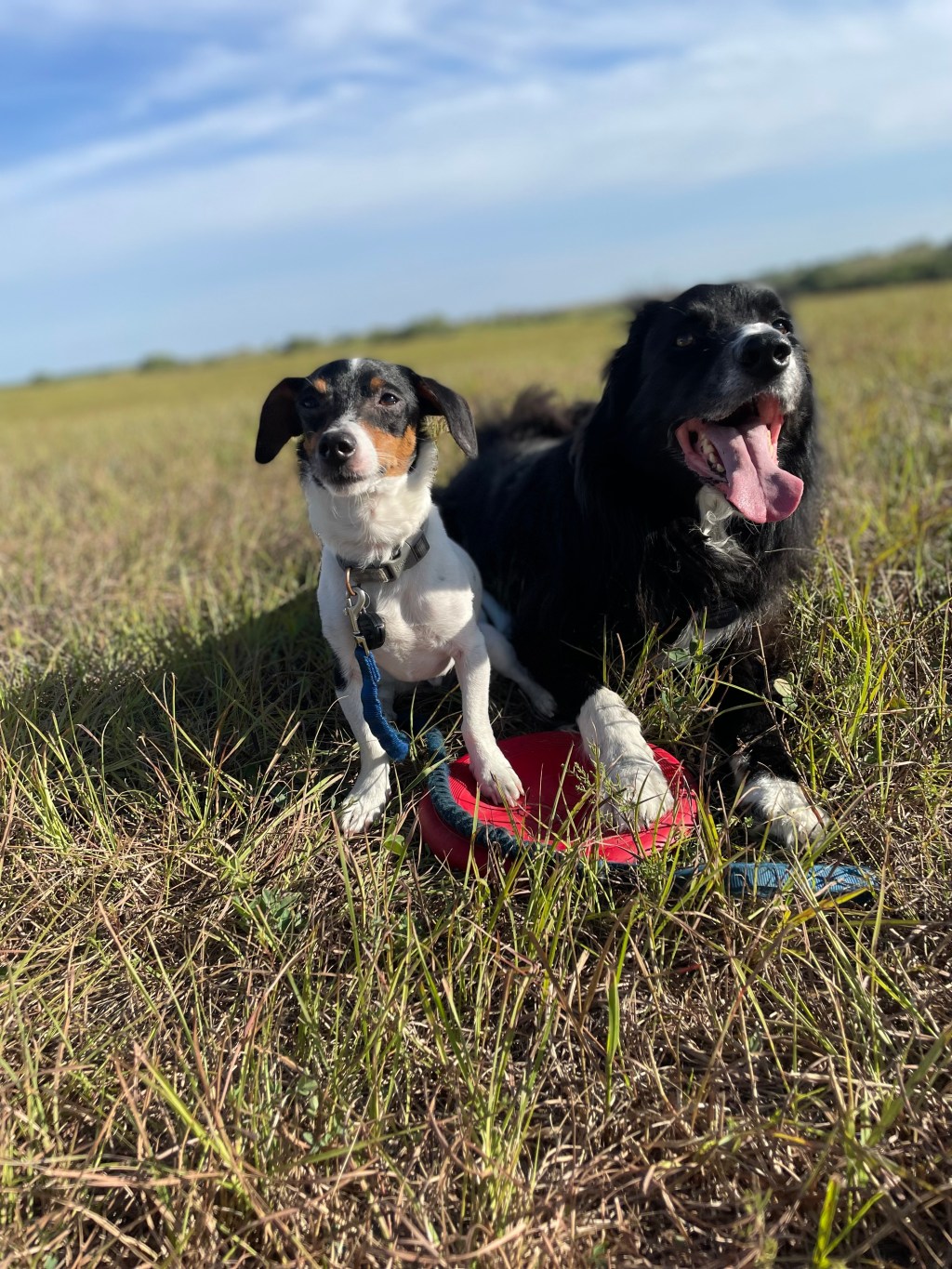
Even dogs that didn’t want to wrestle or chase benefited. Some preferred simply lying in the grass, soaking up the sun, and observing the other dogs from a distance.
Why Enrichment Matters
Enrichment has been shown to significantly reduce stress and improve welfare in captive animals. Because of these benefits, many shelters, sanctuaries, zoos, and research facilities consider enrichment a non-negotiable part of daily care.
In fact, the 2011 edition of The Guide for the Care and Use of Laboratory Animals recognized enrichment as a standard component of animal care. Researchers found that reducing stress not only improved animal welfare but also helped prevent stress-related variables from affecting study results.
Dogs Playing for Life has often compared ten minutes of active dog playgroup participation to approximately one hour of walking. While every dog is different, the comparison highlights just how powerful mental stimulation and social interaction can be.
Not Every Dog Is Social
One of the most important lessons I learned from running playgroups is that not every dog enjoys the company of other dogs.
Some dogs that initially appeared aggressive turned out to be excellent playmates once they were introduced appropriately. Others quickly demonstrated that they preferred more personal space and less social interaction.
I also witnessed something heartbreaking: dogs who were once social butterflies gradually deteriorated after spending months or years in the shelter environment. The chronic stress and trauma of long-term confinement sometimes changed their ability to interact safely with other dogs.
Some eventually required muzzles during introductions, while others could no longer be trusted around other dogs at all.
We’ll revisit both non-social dogs and shelter-related trauma in future posts because they deserve discussions of their own.
Final Thoughts
Enrichment is not a luxury. It is a fundamental need.
Whether it’s training, social interaction, food puzzles, new experiences, or opportunities to explore the world through their senses, enrichment helps dogs live fuller, healthier lives.
When we meet a dog’s mental needs—not just their physical ones—we often see improvements in behavior, confidence, and overall well-being.
A tired dog isn’t always a fulfilled dog. A mentally enriched dog is.



Leave a response here!