
What is the difference between anxiety and overstimulation? Are they the same thing, or can they affect dogs in different ways?
The answer is both simple and complicated: they are closely connected, but they are not the same thing.
Last week, we started my canine mental health series by talking about anxiety in dogs. This week, I want to discuss overstimulation—what it is, how it affects dogs, and how environments such as animal shelters can turn a calm, friendly dog into a reactive or anxious one.
What Is Overstimulation?
Overstimulation occurs when a dog is exposed to more stimulation than they can comfortably process. This can include too much noise, activity, movement, touch, excitement, stress, or even strong smells.
Things like crowded environments, excessive noise, constant movement, intense play sessions, prolonged training, inconsistent routines, or even a dog’s breed and natural sensitivities can all contribute to overstimulation.
Just like people, every dog has a different threshold for what they can handle before becoming overwhelmed.
So How Is This Different From Anxiety?
It’s kind of like a loop—anxiety can lead to overstimulation, and overstimulation can lead to anxiety.
Both can trigger the body’s stress response, increasing heart rate, tensing muscles, and changing behavior and mood. The difference is that overstimulation is typically a reaction to what is happening around the dog in the moment, while anxiety is more closely tied to fear, worry, or anticipation of what could happen.
Examples of Overstimulation
- Crowded spaces or loud environments
- Reacting to people, dogs, or objects through a fence or on leash
- Intense play sessions
- Long or demanding training sessions
- Sensitivity to handling at the groomer or veterinarian
Examples of Anxiety
- Fear of slipping on hard floors
- Fear of strangers
- Separation from their people
- Nervousness when arriving at the veterinarian or groomer
- Fear of specific objects, situations, or environments
Because the two are so interconnected, many dogs experience both at the same time.
How Can You Tell When a Dog Is Overstimulated?
Because overstimulation and anxiety activate many of the same stress responses, the signs often look very similar.
Dogs may:
- Pant excessively
- Lip lick or yawn
- Avoid eye contact
- Show whale eye
- Refuse food
- Pace or become restless
- Bark, growl, or lunge
- Attempt to escape the situation
- Become destructive
- Have difficulty settling down and relaxing
Many of these same signs were discussed in last week’s article about anxiety because both conditions place stress on the dog’s nervous system.
Why Is It Important to Know the Difference?
Understanding the difference between a dog that is being “difficult” and a dog that is overwhelmed can completely change how we respond to them.
Sometimes aggression, reactivity, or other unwanted behaviors stem from fear, anxiety, overstimulation, pain, frustration, or a combination of several factors.
The more we understand what our dogs are experiencing emotionally, the better equipped we are to help them succeed.
Constant overstimulation can also contribute to chronic stress, reactivity, physical health problems, emotional deterioration, and long-term fear responses. Over time, it can change a sweet and patient dog into one that appears fearful, reactive, or aggressive.
This is something we will explore more deeply in future posts.
Dogs Need Rest, Too
Dogs need opportunities to rest and relax. They need spaces where they feel safe enough to let their guard down.
Every dog has a different threshold for what they can tolerate. Some dogs become overwhelmed at a busy dog park, while others can happily play with ten dogs at once. Some dogs can calmly walk past another dog on the sidewalk, while others become so excited or frustrated that they struggle to focus.
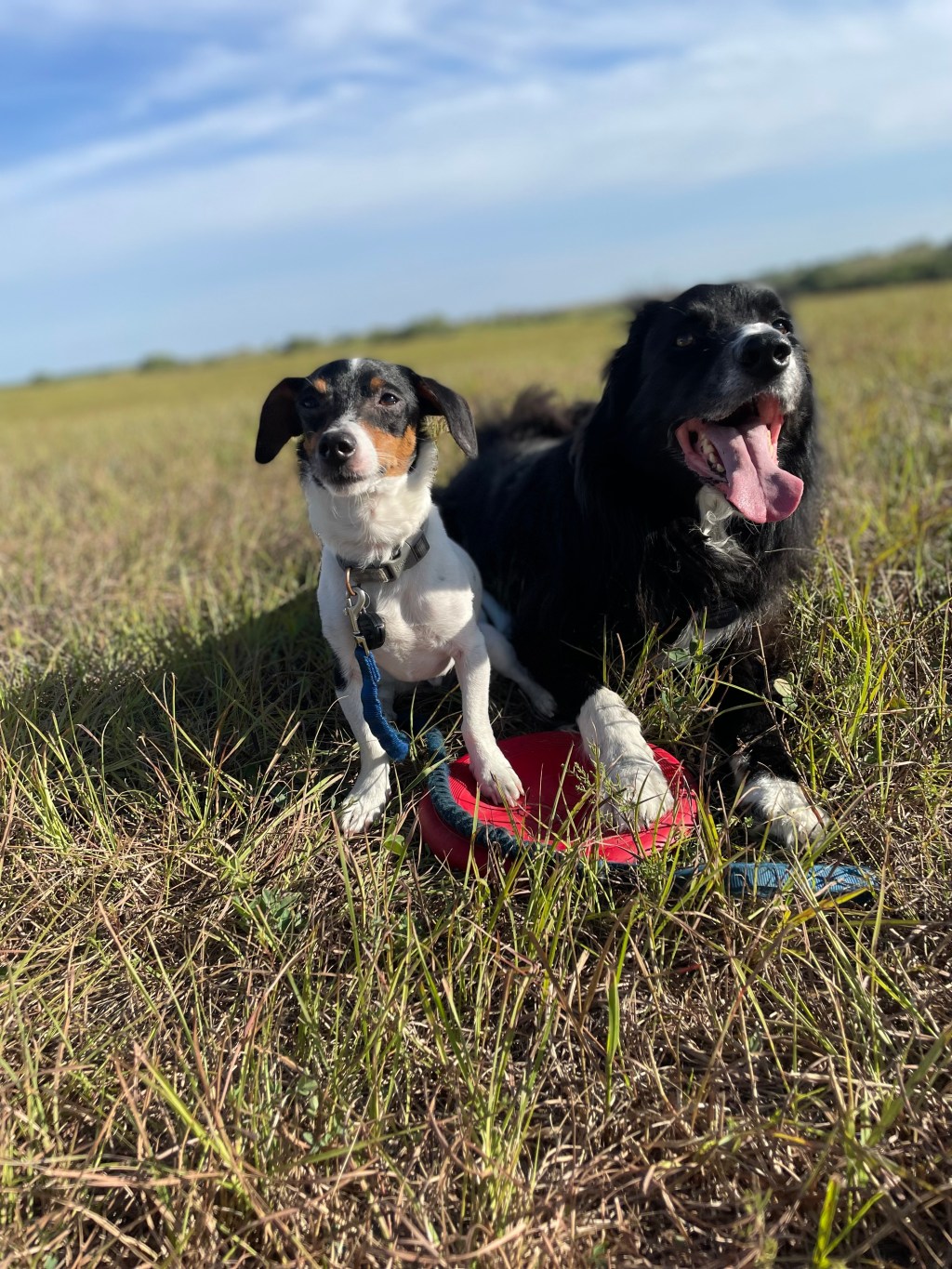
Some dogs, like my Border Collie Cooper, are genetically wired to notice movement and may instinctively want to chase fast-moving people, objects, or vehicles.
Understanding your dog’s normal behavior and individual triggers is one of the most important things you can do as an owner. When you know your dog’s baseline, you can better recognize when they are becoming overwhelmed and help them navigate stressful situations.
The Shelter Environment and Chronic Overstimulation

This is one reason shelter environments can be so difficult for many dogs.
Constant barking, unfamiliar people, limited opportunities to fully relax, and a lack of predictable routine can keep some dogs in a nearly constant state of overstimulation.
Over time, that chronic stress can change how a dog reacts to the world around them.
During my time working in animal shelters, I saw dogs arrive friendly and social, only to become increasingly reactive, withdrawn, or anxious as the stress accumulated. It wasn’t because they were bad dogs. It was because they were struggling to cope with an environment that constantly kept their nervous systems on high alert.
Looking Ahead
So the question remains: when a dog growls, snaps, or bites, are we looking at a bad dog—or a dog that is struggling to cope?
That’s a topic we’ll explore further in the weeks ahead.
Understanding overstimulation is only half of the equation. Dogs also need appropriate outlets for their energy, instincts, and natural behaviors.
In the next part of this series, we’ll explore enrichment, mental stimulation, and why meeting a dog’s psychological needs is just as important as meeting their physical ones.


Leave a response here!