
By this point, most people have heard of an ESA (Emotional Support Animal), but what is the science behind having one?
In honor of May being National Mental Health Awareness Month, I wanted to share just a little bit of the science behind the incredible impact animals can have on our mental health — and why the bond between humans and animals can be so life-changing.
Why Do Animals Make Us Feel Better?
I knew from an early age that I loved animals, but sometimes I had a hard time understanding why.
Obviously they’re cute, entertaining, and fun to be around… but what was it about petting a cat or playing with a dog that made me feel instantly calmer?
Why did caring for a bearded dragon help me structure my week better?
Why did giving my hamster the tiniest treat somehow bring me the biggest joy?
As I got older, I realized there was more to it than simply “liking animals.” Animals made me feel grounded. Comforted. Needed.
And it turns out there’s actual science behind that feeling.
Moving Out On My Own
When I was 19, I moved out of my parents’ house and into my own apartment… completely by myself.
I hadn’t gone away to college, and I had never really been away from home before. Truthfully, I didn’t feel fully ready for it. But I knew I needed independence in order to grow.
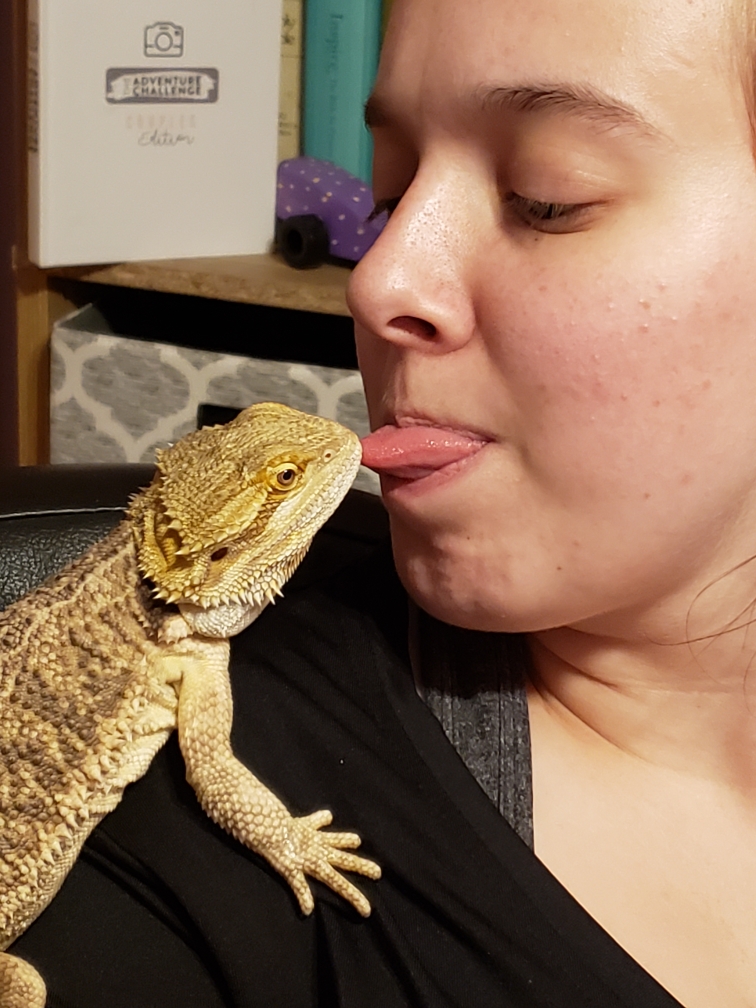
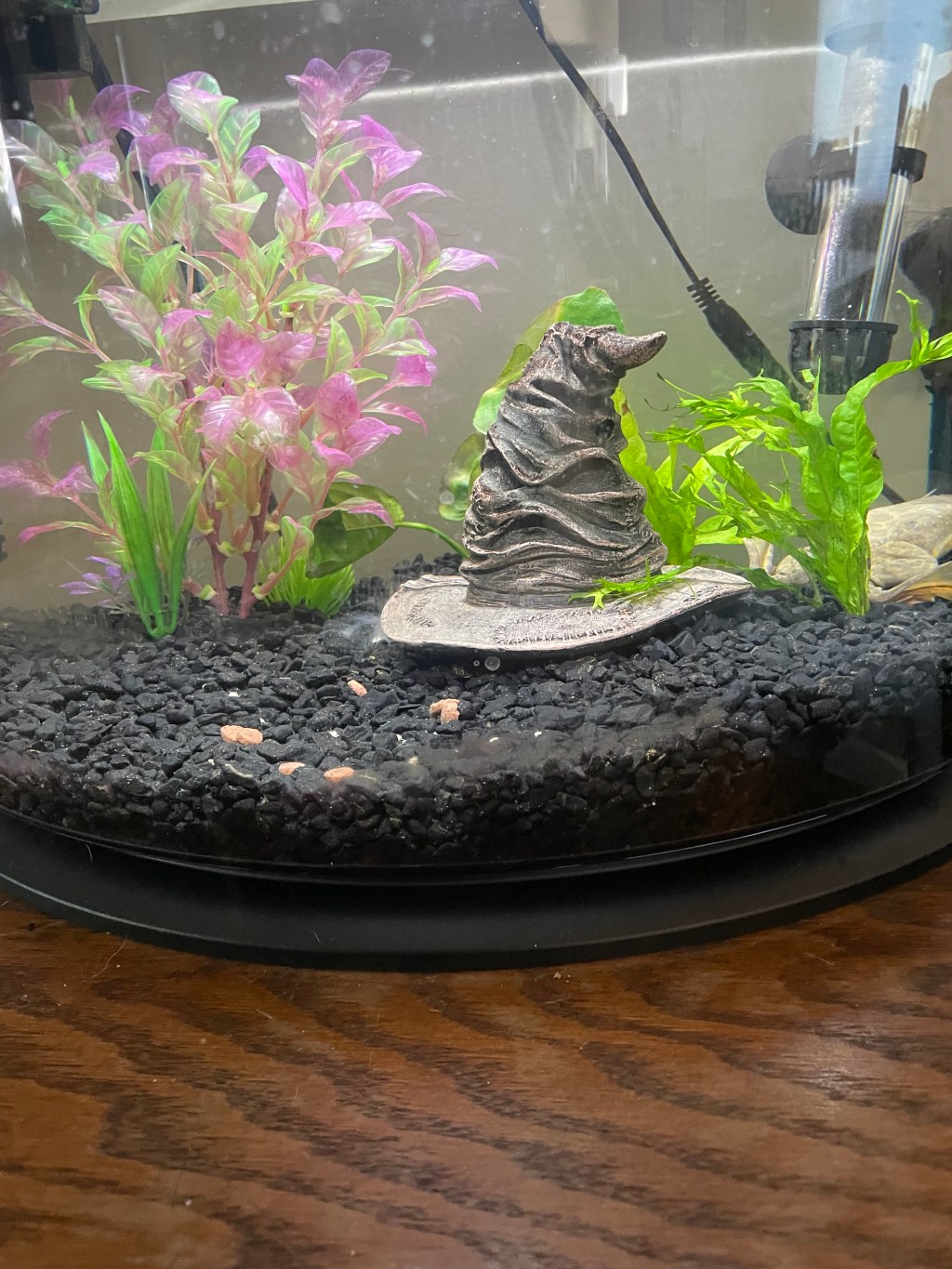
I moved in with a fish tank, my bearded dragon, and a corn snake. Technically, I already had pets.
But something still felt missing.
My bearded dragon, Tigger, enjoyed roaming around the apartment from time to time, but he wasn’t exactly affectionate. Not like the dogs and cats I had grown up with.
At the time, I was working at a vet clinic when one of my coworkers asked if I would be interested in a kitten from an accidental litter.
Was I already past my apartment’s pet limit? Yes.
Did I say yes anyway? Also yes.
Was it the smartest decision? Maybe not… but it became one of the best decisions I’ve ever made.
Enter Nemo

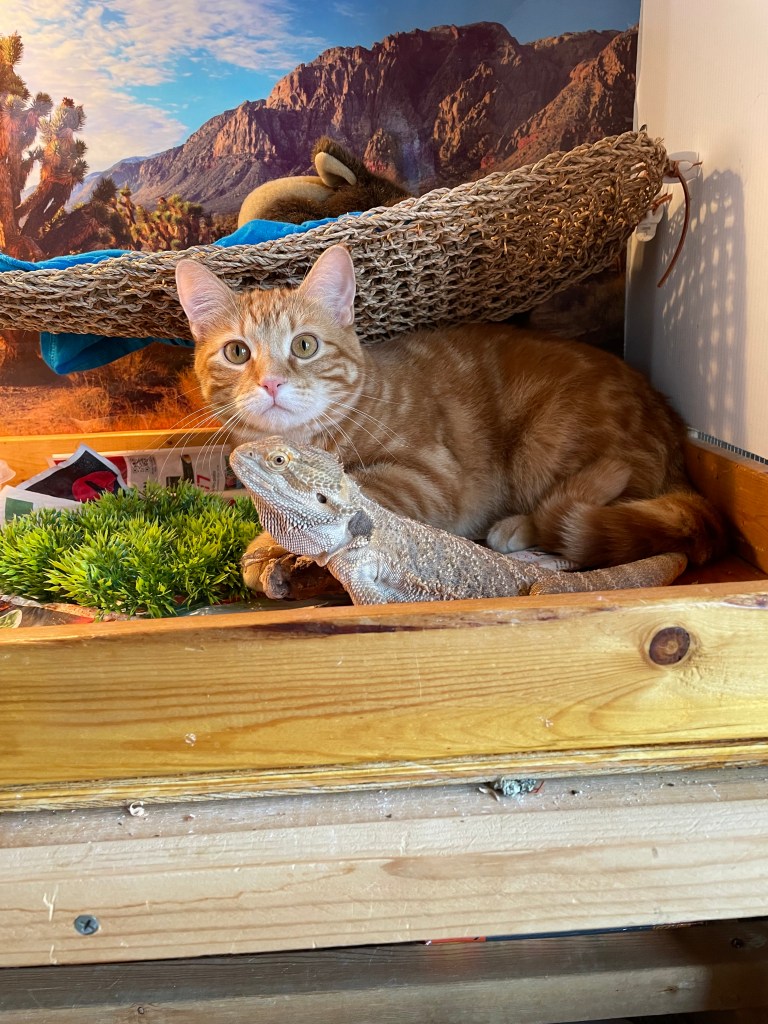
In came Nemo — my chaotic orange kitten.
A little cuddly. A little insane. Completely attached to me.
I later talked with my therapist and had Nemo registered as my ESA, and honestly, he became exactly what I needed during that stage of my life.
He made me laugh on difficult days.
He followed me from room to room when I felt lonely.
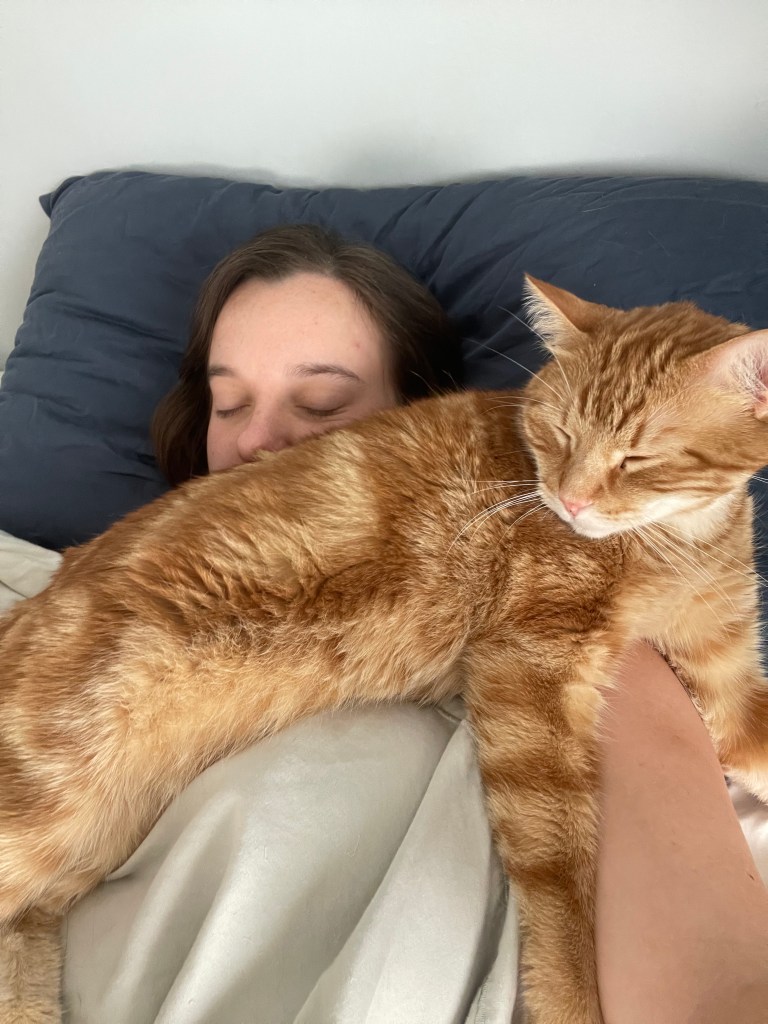
And when I cried, he would lick my hands or face as if he somehow understood I needed comfort.
For the first time living alone, I didn’t feel so alone anymore.
The Science Behind Emotional Support Animals
The Human Animal Bond Research Institute (HABRI) conducted a study showing that more than 1 in 5 pet owners were recommended a pet by a doctor or therapist.
And honestly, that makes sense.
Loneliness is considered one of the major contributors to declining mental health, and pets can help combat that isolation in ways we don’t always recognize.
Research has shown that positive interactions with animals can:
- Lower cortisol (the stress hormone)
- Increase endorphins and dopamine
- Help reduce feelings of loneliness
- Encourage routine and responsibility
- Provide emotional comfort and stability
HABRI also found that 87% of pet owners reported improvements in their mental health after getting a pet.
That’s an incredibly powerful statistic.
The Shelter Adoptions I’ll Never Forget
While working at the shelter, we often had people come in looking for something very simple:
Not a super affectionate pet.
Not a constant cuddle buddy.
Just another presence in the home.
Someone to come home to.
Someone to share space with so the silence didn’t feel so overwhelming.
Ironically, these often became some of the most emotional and meaningful adoptions.
Many people would choose cats that had been overlooked for months — cats known for hiding in corners or hissing when people got too close.
And then the magic would happen.
Once out of the loud, stressful shelter environment, those cats would slowly begin to thrive. They’d start waiting at the door for their person to come home. They’d become affectionate. Curious. Comfortable.
And the adopters would tell us something that stuck with me every single time:
“This cat changed my life.”
Some said their pet gave them a sense of purpose again. Others said it gave them something to look forward to after work. Some even shared that having a pet helped them connect with more people through shared conversations and experiences.
A study by HABRI and Mars Petcare found that:
- 54% of people said pets helped them feel more connected to others in their community
- 80% said they turn to their pets for comfort when sad, stressed, or upset
Pets don’t just improve our lives emotionally — they often help reconnect us socially too.
More Than “Just Pets”
Some animals are even specially trained to assist people struggling with conditions like Post-Traumatic Stress Disorder.
These animals can help retrieve medication, interrupt panic attacks, provide grounding during traumatic episodes, and offer emotional reassurance during incredibly difficult moments.
But even outside of trained service work, pets provide emotional support every single day in ways we often underestimate.
Sometimes it’s the excitement waiting at the door after a hard day.
Sometimes it’s a cat curling up next to you when you feel overwhelmed.
Sometimes it’s simply knowing another living being depends on you and loves you unconditionally.
And sometimes, that’s enough to help someone keep going.
Final Thoughts
Pets are so much more than we often realize.
They provide comfort, routine, companionship, emotional connection, and unconditional love — often without asking for much in return.
So this Mental Health Awareness Month, give your pet a little extra appreciation.
Because sometimes even the smallest cuddle from a furry companion can make the hardest day feel just a little lighter.




Leave a response here!