Every one of our pets reacted differently when we brought our baby home.
Going into it, I felt like I had a pretty good idea of what to expect. I know my animals well—but the real question was…
Would I be right?
Cooper: The “Mother” Figure
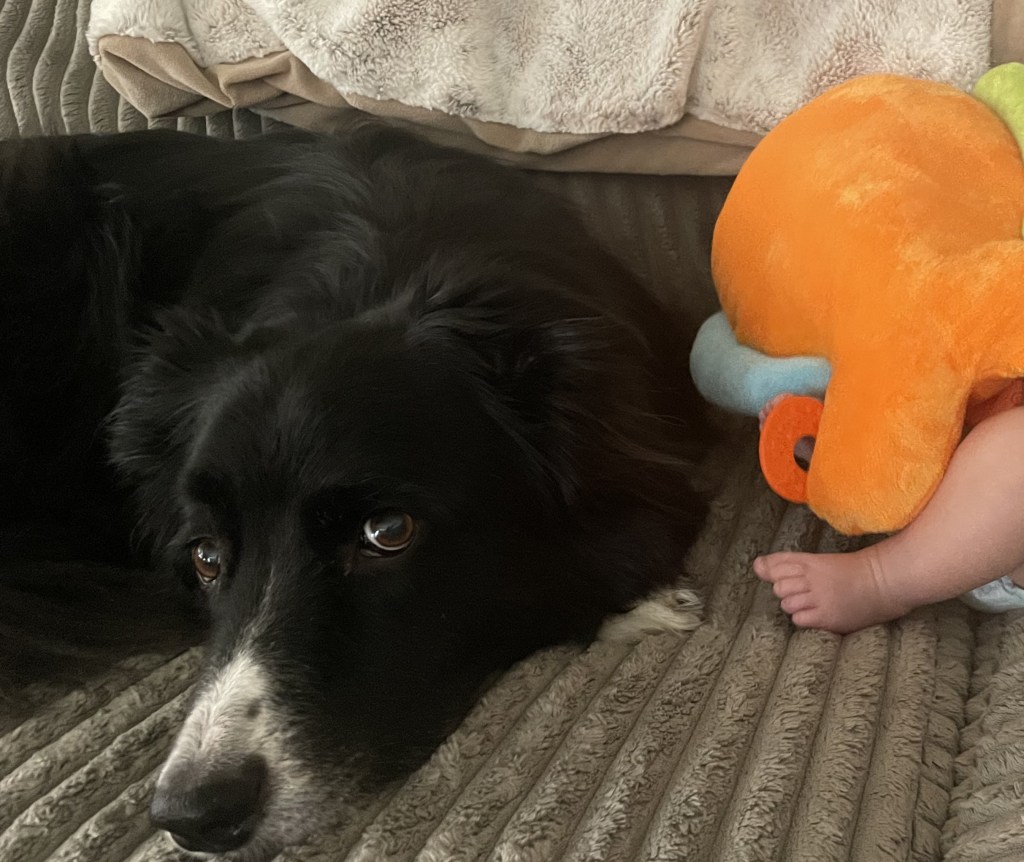
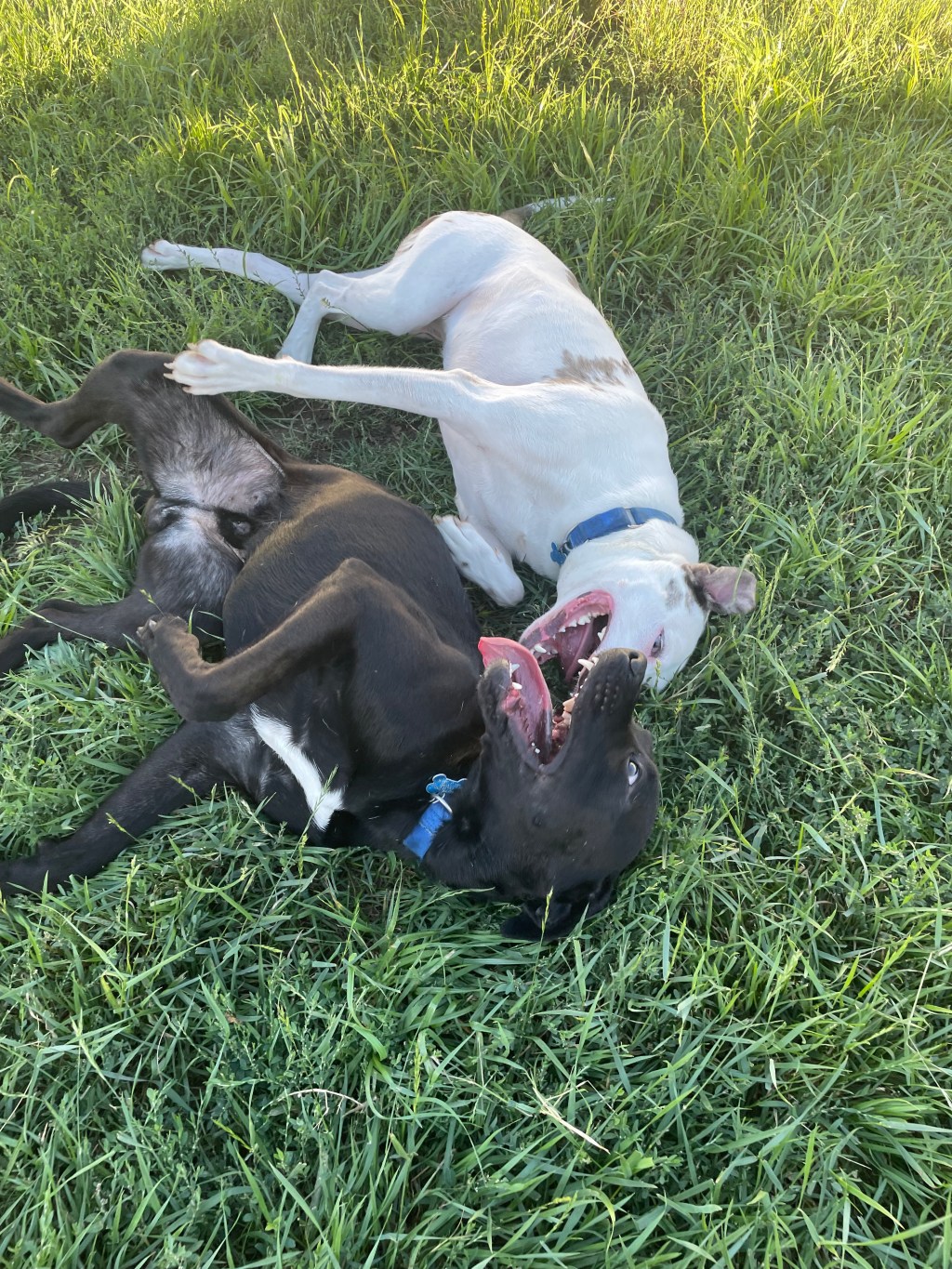
Cooper, our border collie, is our perfect boy. He’s always been obsessed with kittens and has a tendency to be… a little too loving.
And the baby?
No exception.
The moment we brought our baby home, Cooper fell in love.
For the first half hour, we had to physically hold him back from licking the baby’s face and smothering him with affection. He was determined to love those tiny toes like it was his full-time job.
He truly believed he was the baby’s protector—and possibly a better parent than me.
Over the next few days, anytime the baby cried, Cooper was right there, ready to “fix it” with kisses.
Our job wasn’t to separate them—it was to guide him.
We made sure he didn’t get too close, lick the baby’s face, or accidentally step on him, but we didn’t isolate him. I knew that if we had, it would have only made him more excited and anxious to get to the baby.
Within a few days, the excitement faded, and the baby simply became part of everyday life.
It was hard, and Cooper definitely pushed my extremely patient husband to his limit, but I genuinely think that there was no better way to have Cooper adjust.
Sebastian: The Adjustment Phase

Sebastian’s reaction was very different.
At first, he was excited—tail wagging, giving kisses, and curious about this new little human.
But once the baby started making noise and moving?
Everything changed.
The lap that once belonged to him was suddenly occupied, and he didn’t understand why.
As he realized the baby wasn’t going anywhere, his excitement turned into hesitation. He didn’t mind being near the baby, but if the baby cried or made sudden movements, Sebastian would quickly move to a different spot.
So we slowed things down.
We made sure he always had a comfortable place near me and never forced interactions. Over time, he’s become more comfortable—but it’s still a work in progress.
The Cats: Similar, but Different
Our three cats all reacted a little differently, but with a similar theme—cautious curiosity.
Feta
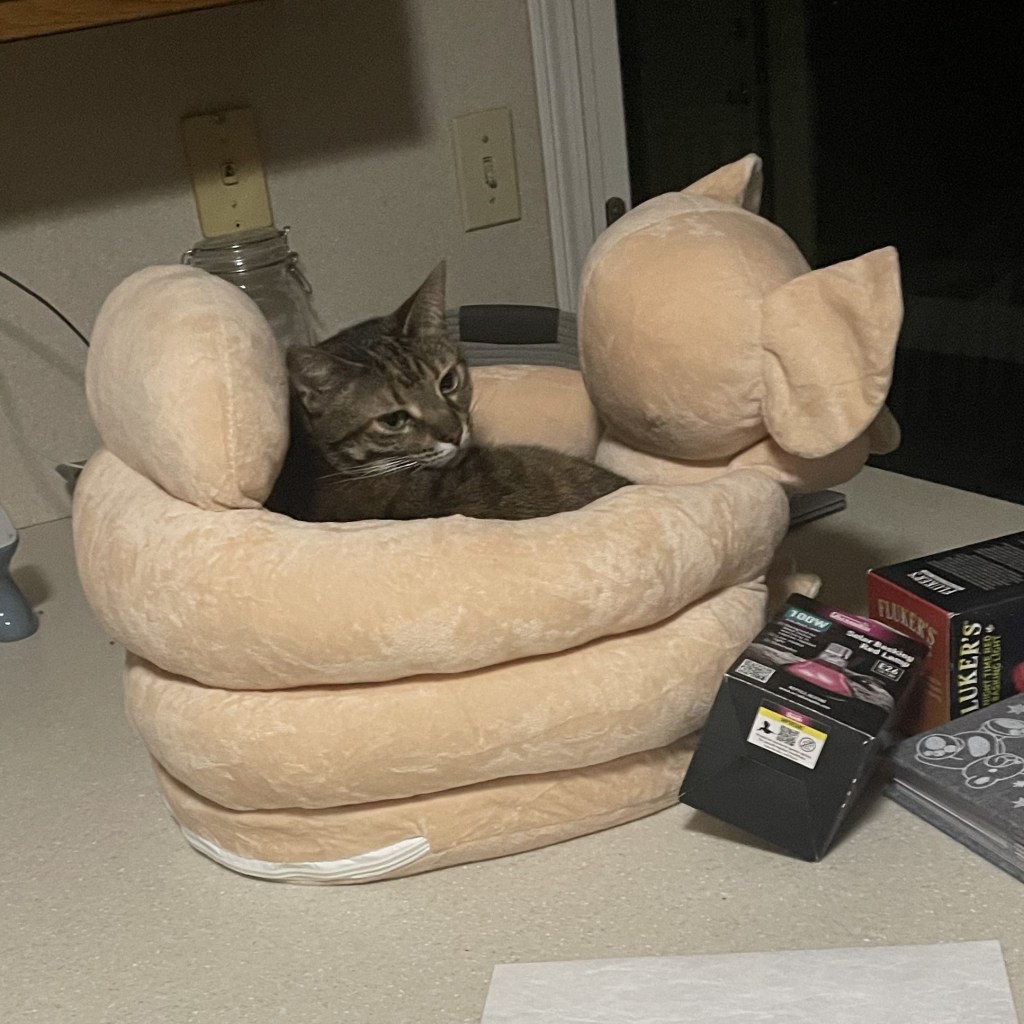
Feta is our semi-feral cat who is, quite honestly, scared of everything.
We expected her to take a long time to adjust—if she ever did.
And in her case, not much changed.
She still prefers to keep her distance and interact on her own terms, mostly sticking to occasional affection with my husband and avoiding the chaos.
Jelly
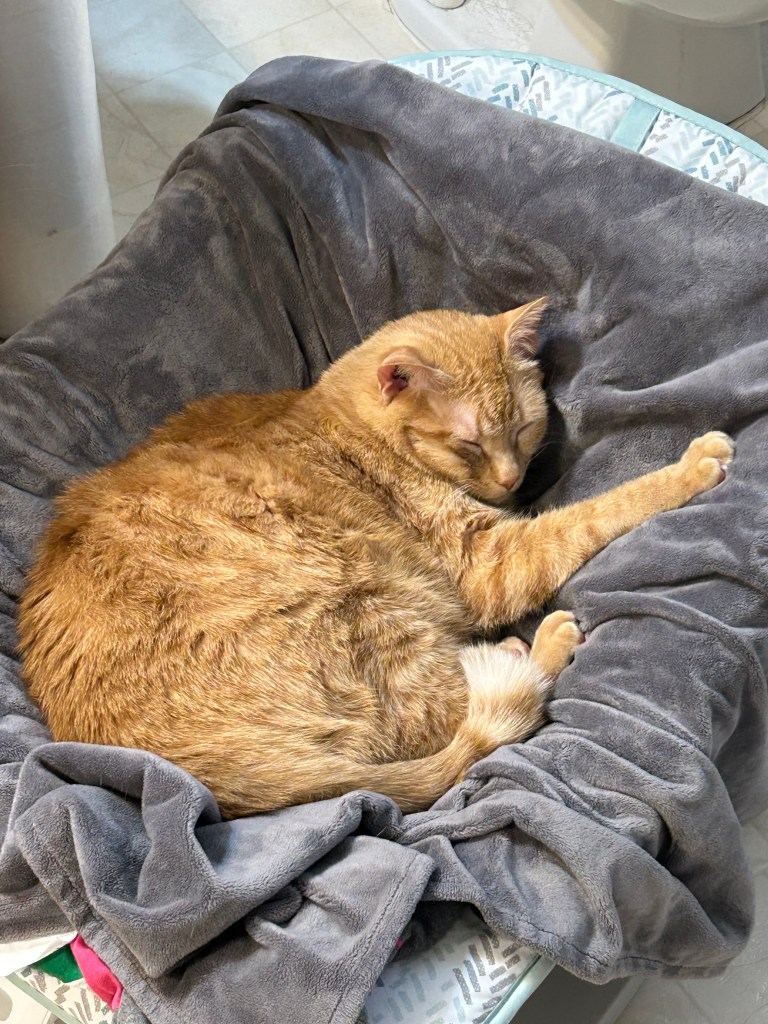
Jelly is our sweet, gentle boy.
He can be a little timid with new things, so we expected him to be cautious at first—but warm up quickly.
And that’s exactly what happened.
He doesn’t go out of his way to interact with the baby, but he doesn’t avoid him either. He’s found a comfortable middle ground.
Nemo
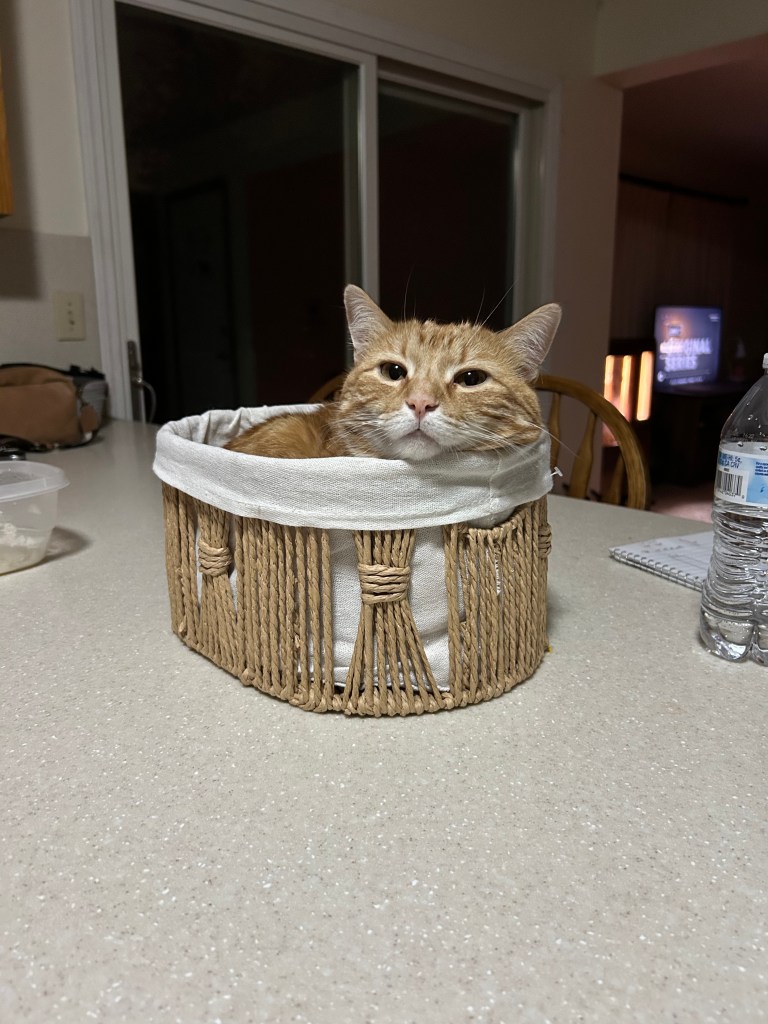
Nemo is our oldest—and our sassiest.
He’s affectionate when he wants to be, but also has a bit of attitude (especially toward my husband, who occasionally gets a playful nip while walking by).
I expected him to be cautious at first, but eventually warm up—and maybe even become the baby’s best friend.
We’re not quite at “best friend” status yet, but he’s definitely adjusted.
And now, he’s starting to accept the baby as part of his world.
Still Growing Together
Even now, everything is still evolving.
Our pets are still adjusting.
Our baby is still growing and changing.
And our home is still finding its rhythm.
But that’s part of the process.
👉 So how are things going now, four months later?
I’ll share the real, honest update in the final part of this series.

 The Katz Nest
Leave a response here!